Optimal Sadness
The mind's reminder to appreciate what we have while we have it.

As you may remember from my last post Optimal Happiness, I discussed how persistence of any emotion, even one such as happiness, is not ideal nor feasible. What this argument also suggests is the utility of negative emotions like sadness. Therefore, what I aim to do in this post is delve more deeply into how some sadness in life is actually beneficial.
Sadness like all other emotions is natural. And contrary to common belief, you do not need a reason to be sad nor is sadness necessarily a sign of a mental health disorder if you cannot determine its cause. How I like to interpret sadness is as a mix of discontentment and/or loss. Whether it is mourning the death of a loved one or even dealing with a minor disappointment, sadness puts us in an unconscious state of reflection and revaluation.
Some of the best improvements I made to my life, creative ideas I’ve had, and important personal insights I’ve realized came from periods of sadness. It seems to me that when I am sad or depressed, my mind unconsciously attempts breaking out of whatever routine or pattern I have put myself in by finding creative solutions that I may not have otherwise considered. In other words, sadness often generates creativity. For example, during my undergraduate years it was when I was in a state of depression that I decided to join the improvisation club and become involved in theater. This seemingly random decision led by the discontentment of sadness resulted in significant increase of appreciation for the arts, heightened self-confidence, and a wealth of self-knowledge that has been invaluable.
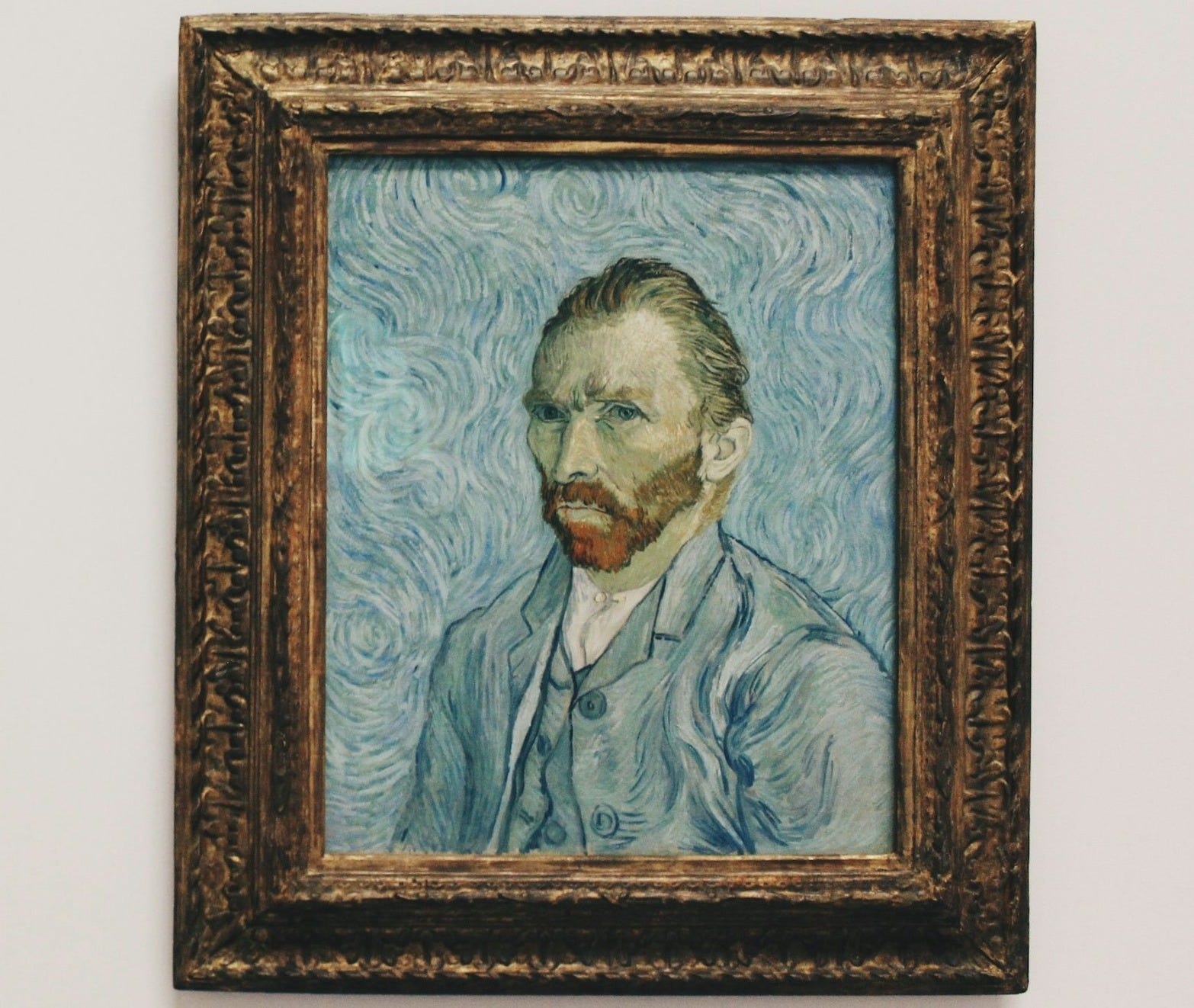
There have been innumerable examples throughout history of how sadness and discontent lead to great creative accomplishments. Some examples include Edvard Munch and The Scream, Dostoevsky and Crime and Punishment, Billie Holiday and Strange Fruit, Beethoven’s Ninth Symphony, and of course most of Vincent van Gogh’s paintings among a plethora of other notable cases.
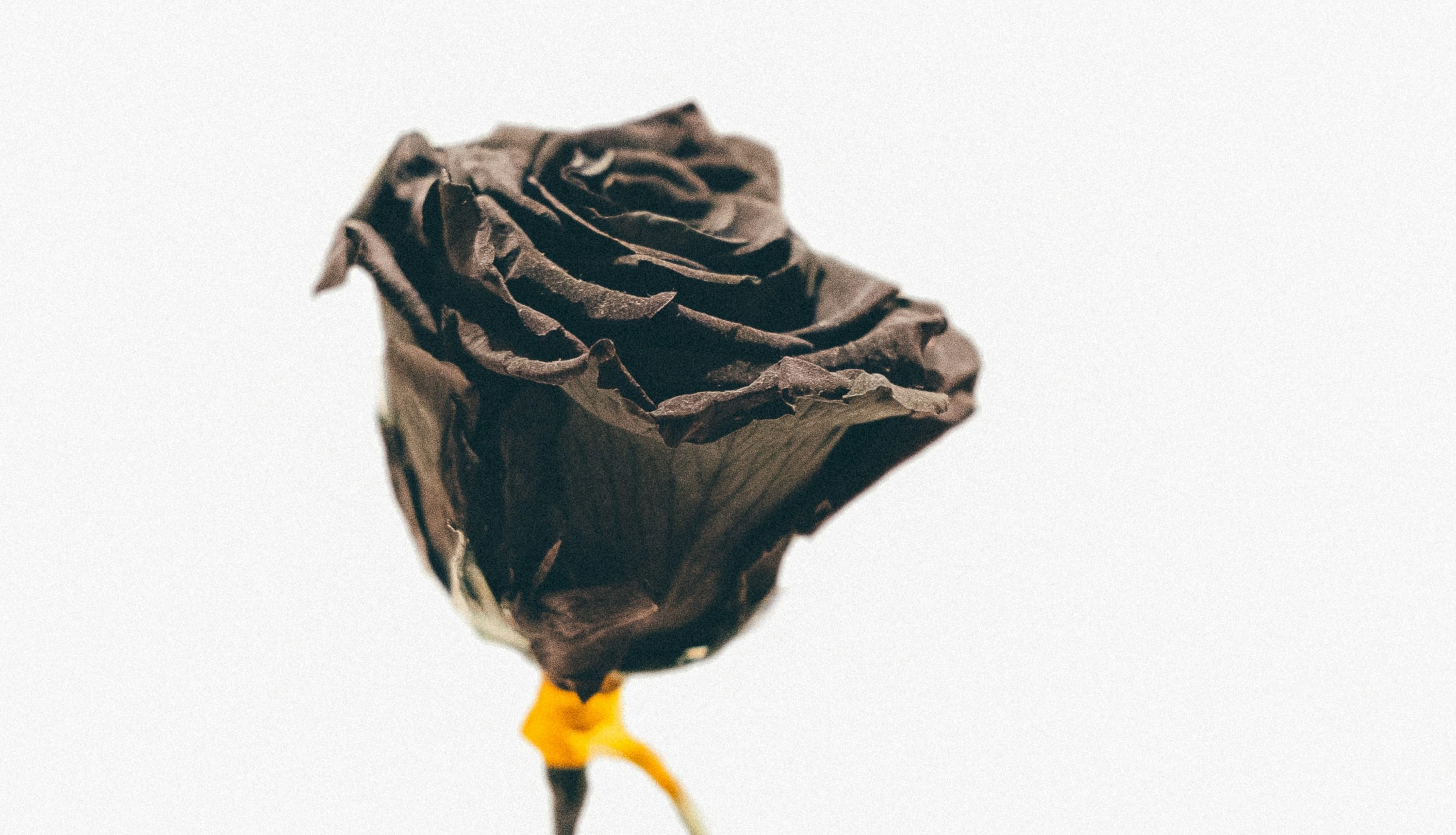
Beyond the lesser-known creative implications of sadness, it also provides us with an adaptive way to handle and appreciate loss. Sadness as with all negative emotions gives weight to the temporality of nature by encouraging us to appreciate what we have while we have it. Think for a moment what it might be like if we could not experience discontentment or loss? A world of with no discontentment or loss would be a unique hell where can neither treasure what we have nor understand the satisfaction of gaining what we lack.
Now of course I am not saying that sadness should be sought out to try and get a momentary increase in creativity or appreciation. What I instead suggest is that, as with all emotions, sadness should neither be avoided nor wallowed in. The mind typically has a way of telling you what it needs and emotions are one of the ways it communicates. Sadness just so happens to be the mind’s way of reminding us that life is short.