Optimal Enlightenment
What does it mean to be enlightened? Is there such thing as too much enlightenment?

Enlightenment has long been sought after as a form of self-improvement, largely in hopes of alleviating pain or broadening one’s consciousness. There is no right or wrong reason to seek out enlightenment. However, what I would argue is that, as with all things, enlightenment is optimal in moderation.

You may ask: “how could too much enlightenment possibly be bad?” or “what could be considered excessive enlightenment?”. However, before we can address these questions, we first must define what enlightenment is and its effects - or rather why it is sought after in the first place.
What Does it Mean to be Enlightened?
Enlightenment, as with most internal experiences, is highly subjective. There is no one form or proper type of enlightenment as it manifests differently in different people across differing religions and schools of thought. However, enlightenment can be defined generally as a form of profound understanding or insight that dramatically expands one’s perception of reality.
Just as there is no one form of enlightenment, there is no one set path to become enlightened. Each religion and school of thought has their own methodology for obtaining enlightenment. I myself had an experience similar to Nirvana (in Buddhism) or Moksha (in Hinduism) after years of reflection and exposure to eastern theology around the age of 12. This enlightenment I experienced, or expansion of consciousness, has guided my actions to this day.
Why Do People Seek Enlightenment?
Contrary to popular belief enlightenment is not solely a pursuit of the devout. Enlightenment is the goal of all who seek knowledge. Even science strives for enlightenment (aka knowledge) by revealing the infinitely interwoven relations of nature. Therefore, the reason why people seek enlightenment is not just out of theological duty, but to gain a more comprehensive understanding of reality that enhances one’s experience as a living, thinking, human being.

There are no universal “enhancements” or “benefits” of enlightenment that can be listed out definitively to explain why people seek it. Instead, I can share my own experience with enlightenment and some of what it has provided me:
A higher order of understanding that provides the assurance, compassion, and fortitude similar to faith.
The capacity to love limitlessly or “without fringes” all manifestations of nature.
Recognition of the harmony of nature amid chaos and the intertwining of good and bad.
The ability to break from and not get lost in societal expectations.
The ability to perceive my own existence as a human being objectively beyond my identity in society.
What is Too Much Enlightenment?
Now that I have listed some of what I gained from enlightenment you may wonder how such a thing could be excessive. To answer this question, it is first important to clarify an almost universal misinterpretation of the effects of enlightenment.
Enlightenment as a Switch not a Status
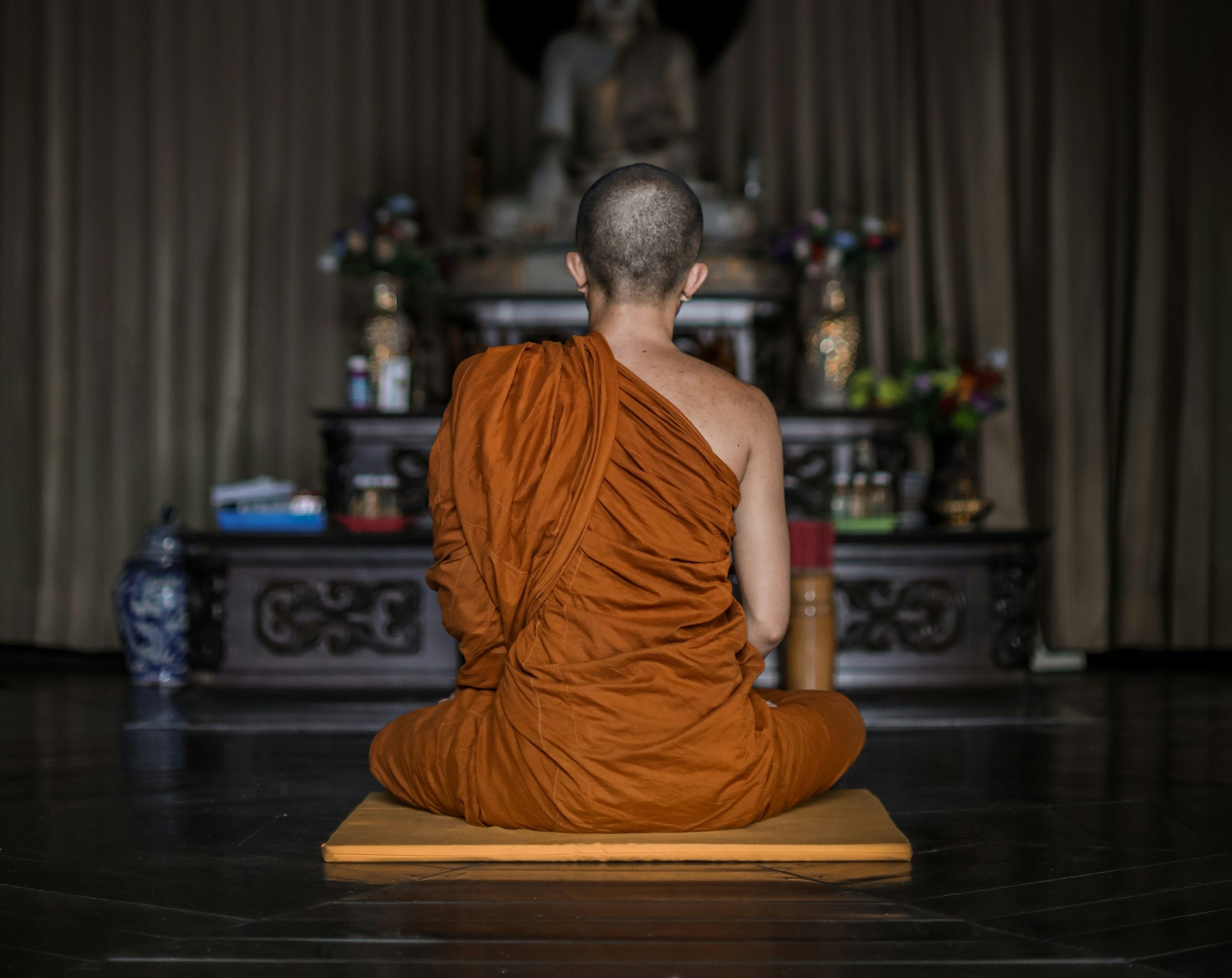
What most people do not realize is that enlightenment is a temporary state of consciousness that those who obtained enlightenment can tap into or activate. What enlightenment is not is a static state of being that is always “on” from the moment you become enlightened. It is because of this misconception of enlightenment that many people become disappointed or feel betrayed when enlightened individuals act in ways that are very unseemly and all too human. Instead, what these priests or Tibetan monks do is dedicate themselves to perpetually activating and deepening this enlightened state as a form of art. This is why if you are not a religious figure than there is in fact a point where too much enlightenment becomes unproductive.
The Optimal Level of Enlightenment
There of course no universally optimal level of enlightenment as it is very subjective experience. Although I cannot give an exact ‘level’ per say, I can give the following guidelines:
If you have not already obtained enlightenment, then it is highly recommended you take the time to journey down that path for the benefits I discussed earlier.
Tap into your higher or enlightened consciousness in times of reflection when you need to create space and reorientate yourself in life.
Do not use enlightenment as a means to escape the realities of life.
Resist the urge to mistake enlightenment with truth and to close your mind to new understanding and experiences.
Understand that enlightenment does not protect you from mistakes but rather helps you appreciate them.
Find a balance between enlightenment and life so that one does not eclipse the other.
In summary, enlightenment is optimal for most people when used a tool to enhance your experience in life and better face the harshness of reality.